
A Practical Guide to Men’s Golf Apparel for Every Season
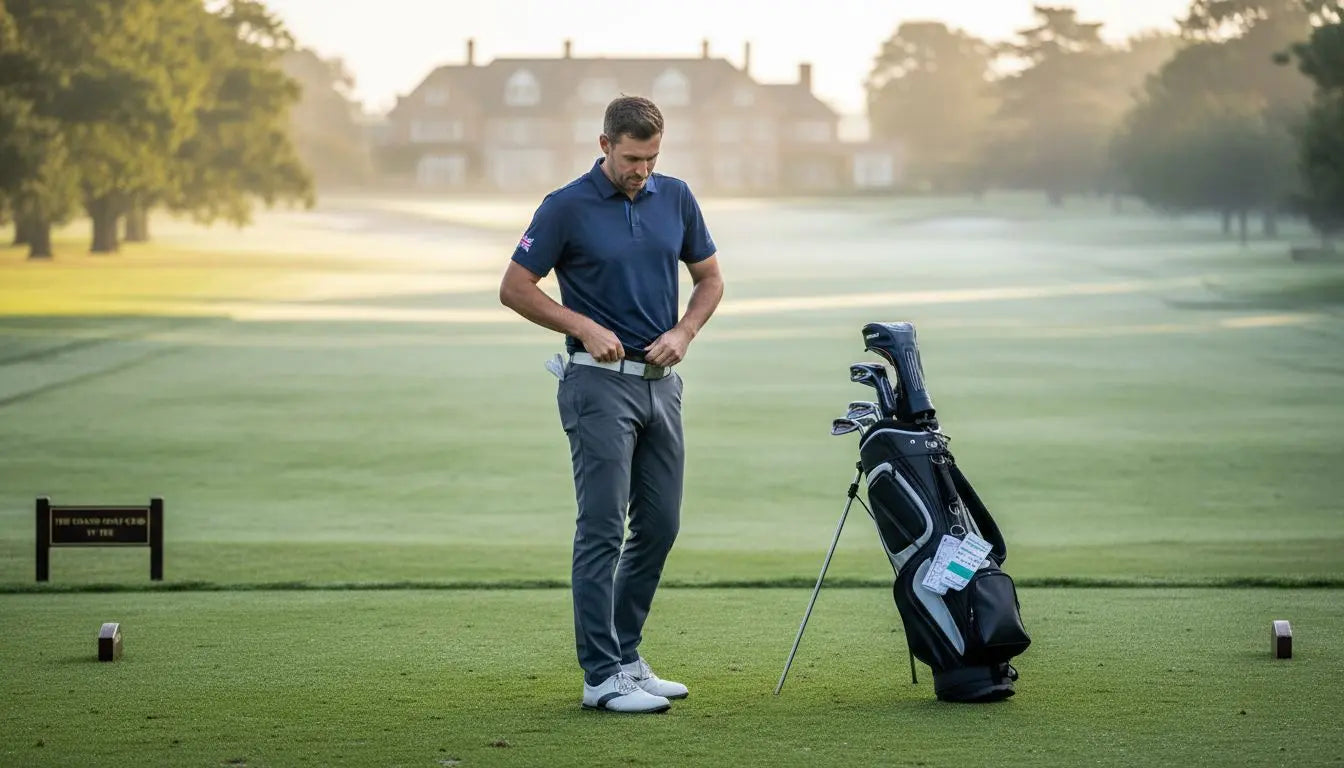
The quiet role clothing plays from the first tee onward
Golf clothing rarely gets much thought until something starts to feel wrong. A sleeve pulls during the backswing. A collar traps heat near the neck. Pants feel stiff after several holes. Small issues like these can break focus and make a long round feel even longer. We wrote this guide to help golfers spot the details that support comfort before discomfort takes over. The right outfit should move with the body, handle changing weather, and still look neat at the clubhouse. That balance becomes easier with men’s golf apparel designed around the game’s pace and motion. Good clothing does not need to shout for attention. It simply helps the player swing, walk, bend, and stay composed.
This guide covers fit, fabric, weather needs, and simple style choices. We will explain what to check before buying a polo, pair of pants, shorts, or outer layer. You will also learn why small features, such as stretch panels and light fabric, matter over eighteen holes. The aim is not to build a huge golf closet. It is about choosing fewer pieces that work well together and feel right throughout the full round. A smart setup can reduce heat, limit pulling, and make outfit planning much easier. By the end, you will know how to judge golf clothing by use, not just looks. That means less guesswork, fewer poor buys, and more focus where it belongs, on your next shot.
How does the right fit improve movement during every golf swing
Fit affects nearly every move you make on the course. A shirt that sits too close may ride up over the shoulders. Loose fabric can bunch near the waist during a turn. Pants with little room at the hips may limit rotation. Your golf clothes should follow your shape without feeling tight. The shoulder seam should sit near the edge of your shoulder. Sleeves should allow your arms to rise without lifting the whole shirt.
Use these fit checks before buying:
- Raise both arms and copy a slow backswing
- Bend forward as if reading a putt
- Sit down to test comfort at the waist
- Check that the shirt stays neat when tucked
A good fit should feel steady through all these moves. It should not need constant pulling or fixing. Pay close attention to the waist, shoulders, and upper back. These areas work hard during a swing. Try the clothing with the base layer you often wear. That simple step gives you a more honest sense of comfort. The best fit feels natural enough that you soon stop noticing it.
What fabric features help golfers stay cool and dry longer
Golf can place you under the sun for several hours. Sweat, wind, and sudden shade can change how clothing feels. Fabric choice helps manage those shifts. Light material lets heat leave the body more easily. A quick-dry weave keeps damp fabric from sitting against the skin. Stretch also helps during turns, steps, and crouched putting lines.
Look for these useful fabric traits:
- Lightweight that does not cling
- Stretch that returns to its shape
- Fast drying after heat or light rain
- Soft seams that do not rub the skin
Cotton may feel soft at first, but it can hold sweat longer. Blended fabrics often dry faster and keep their shape well. You should also check how the cloth feels from the inside. A smooth inner face can reduce rubbing during a long walk. Thin does not always mean weak, either. Well-made fabric can feel light while still handling regular wear. Choose a fabric based on your local weather and how often you play. Comfort improves when the fabric matches the day, not just the mirror.
Why should each golf outfit adapt to changing course weather
Weather can shift before the back nine begins. A cool morning may turn warm by noon. Wind can rise on open parts of the course. Light rain may arrive with little warning. A layered outfit lets you adjust without changing your full look.
1. Start with a light base
Choose a polo that feels soft and allows easy airflow. It should work well on its own when the day gets warm. A close but relaxed fit keeps extra fabric out of the swing. Avoid thick cloth that holds heat near the body.
2. Add a flexible middle layer
A light pullover can handle cool starts and shaded holes. Stretch near the shoulders helps keep the swing free. The layer should fold easily when you remove it. Bulky tops take up too much space in the bag.
3. Carry a simple outer shell
A thin shell can help with wind and short periods of rain. Check that the cuffs stay clear of your grip. The hem should remain steady during rotation. Quiet fabric also helps you focus without loud rubbing sounds.
4. Plan for changing heat
Choose shorts or pants based on the full forecast. Dark fabric may feel warmer under direct sun. Light colors can feel easier during hot rounds. Always balance comfort with the course’s dress rules.
Choose golf clothing that works as hard as your game
Good golf clothing should support your round without demanding attention. The right fit frees your swing, while smart fabric helps control heat and moisture. Useful layers also prepare you for wind, shade, and brief rain. We suggest checking each item through real golf movements before making a choice. Build around pieces that mix well, feel good, and suit the weather you face most often. There is no need to chase every new look. Start with reliable basics, then add items that solve a clear need. Review your current golf wardrobe before your next round and note what feels tight, heavy, or hard to match. A few thoughtful changes can make the entire day feel smoother, so choose the pieces that help you play with comfort and quiet confidence.


