
What’s Really in Dog Waste: Parasites, Germs, and the Health Risks Many Owners Miss
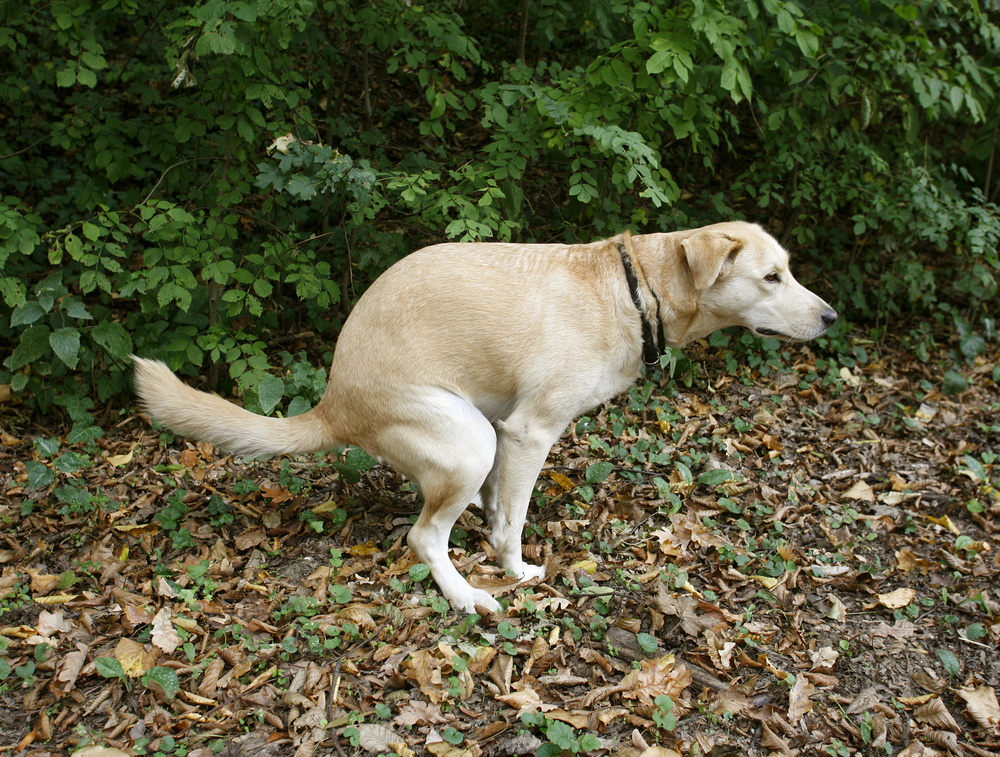
Most dog owners think about pet waste as an odor problem or a lawn problem. That’s fair, but it’s not the whole story. Dog feces can also carry organisms that survive outdoors, spread through soil and runoff, and sometimes make people sick. The goal isn’t to panic or shame anyone. It’s to know what you’re dealing with and handle it in a way that protects your household, your neighbors, and your dog.
This blog breaks down what can live in pet waste, how people and dogs get exposed, and what practical cleanup looks like for real families.
Parasites vs. pathogens: a quick distinction that matters
When veterinarians talk about “parasites,” they usually mean living organisms that infect a host, such as worms or protozoa. “Pathogens” is broader. It includes bacteria and viruses as well. Dog feces can carry both categories, and they behave differently once they hit the ground.
Some parasites shed eggs that survive in soil. Certain bacteria persist long enough to spread through contaminated hands, footwear, or surfaces. Viruses tend to be more situation-dependent, but they still fall under the umbrella of fecal contamination and hygiene.
The frustrating part is that many infected dogs look normal. A dog may shed parasite eggs without dramatic symptoms, especially if exposure is recent or mild. That’s one reason routine cleanup and veterinary screening matter even when a pet seems healthy.
What’s commonly found in dog feces
A short list covers most of what concerns veterinarians and public-health agencies.
- Roundworms (Toxocara): Dogs can pass roundworm eggs in their feces. People are exposed when contaminated dirt ends up in the mouth, often through unwashed hands after yard work or play. The CDC states that toxocariasis usually spreads through contact with infected dog or cat feces. A large U.S. analysis using NHANES blood samples estimated that about 5.1% of Americans ages 6 and older had antibodies to Toxocara, which suggests prior exposure at some point. That does not mean 5.1% of people are currently sick. It does tell us that contact with contaminated environments is not rare.
- Hookworms and whipworms: These intestinal worms can also be shed in feces. Hookworm larvae can irritate human skin if people walk barefoot in contaminated soil. Whipworms tend to be more of a dog-health issue, but reinfection becomes more likely when waste stays in the yard.
- Giardia: Giardia spreads through fecal contamination and can cause diarrhea in dogs and people. Still, the CDC notes that people are unlikely to get Giardia from dogs or cats because the types that make people sick are usually not the same types that infect pets.
- Even with that reassurance, sanitation still matters because Giardia moves easily through shared water sources and contaminated surfaces.
- Bacteria (like Campylobacter and Salmonella): These can show up in animal feces and can cause gastrointestinal illness. The risk rises when waste is left long enough to be tracked through the home or washed into puddles and runoff.
How Exposure Happens in Everyday Life?
Most people don’t “touch poop.” They touch what poop touched.
- A child falls in the grass, then wipes their face.
- A dog steps in waste residue and jumps on the couch.
- A shoe crosses the yard, then walks across the kitchen floor.
- Rainwater carries broken-down waste toward a storm drain.
That’s why cleanup timing matters. The longer waste sits, the more it breaks down, spreads, and becomes harder to see and avoid.
Mid-Yard Reality: Cleanup Systems That Families Can Stick With
The goal is a routine you can keep, not a routine you abandon in week two.
- Pick Up On A Schedule You Can Maintain: Same-day pickup is ideal, but even a reliable twice-a-week plan can make a big difference compared to “whenever I notice.” If your household routinely falls behind, that’s often a time-and-energy issue, not a knowledge issue. In that case, many homeowners opt for a dog poop cleaning service in Pittsburgh consistently during busy seasons.
- Wash Hands with Soap and Water After Cleanup or Yard Work: Hand sanitizer helps when you are out and about, but soap-and-water washing is the better reset after soil contact.
- Control Tracking: Keep a doormat outside, wipe paws after muddy walks, and consider a “shoes off” rule indoors if your yard sees heavy dog traffic.
- Keep Parasite Prevention Current: Ask your veterinarian how often your dog should have a fecal test and whether their preventive plan fits their lifestyle. Puppies, frequent dog-park visitors, and daycare dogs often need closer attention.
Shared Spaces Change the Math
Community lawns, apartment courtyards, and tight neighborhoods create a simple reality: even if most owners pick up, a small number of missed piles can contaminate high-traffic grass. That’s why some property managers and HOAs hire a pooper scooper service Pittsburgh companies provide, aiming for predictability in common areas instead of relying on perfect compliance.
On the individual side, owners often discover that “I’ll get it later” doesn’t work well in places where kids play and dogs cluster.
When to Call a Vet?
For dogs, call your vet if diarrhea lasts more than a day or two, if you see blood, if your dog loses weight, or if they seem unusually tired. Puppies deserve quick attention because dehydration hits them faster.
For people, seek medical care when gastrointestinal symptoms are severe, persistent, or paired with fever or dehydration. If a clinician is troubleshooting symptoms, mentioning recent exposure to pet waste, yard work, or children playing in a dog-used yard can be helpful context.
Outsourcing Cleanup Can Be A Health Decision, Not Just A Convenience
Some families can handle daily pickup without trouble. Others have mobility limits, travel frequently, or manage multiple dogs. In those situations, hiring help is not “extra.” It can be the difference between a yard that stays safe and a yard that slowly becomes a contamination zone.
If you live in a dense neighborhood or your schedule is packed, you might look for pet waste removal near me and then compare reliability, sanitation practices, and service frequency. Many local owners also ask about dookie doctors pet waste removal specifically when they want recurring service with clear expectations.
For households that want a consistent plan without the weekly scramble, booking a dog poop pick up service can keep waste from lingering long enough to spread through soil, paws, and footwear.
A Cleaner Yard Is Also A Calmer Yard
Dog ownership comes with messy moments. That part is unavoidable. What you can control is whether those moments become routine exposure. Regular pickup, basic handwashing, and sensible tracking control keep the risk low for most homes. If maintaining that routine is hard, using a dog waste removal near me service can be a straightforward way to protect the people who use the yard most, especially kids and the dog who calls it home.


